In the modern era, where uninterrupted power supply is a cornerstone of daily life, diesel generator (DG) sets have become indispensable. They provide critical backup power during outages and ensure a steady supply in regions with unstable grids. However, the operation of these diesel engines comes with a significant drawback – air pollution. Emissions from DG sets include particulate matter (PM), nitrogen oxides (NOx), and hydrocarbons (HC), all of which contribute to environmental degradation and pose severe health risks. This blog explores the importance of Retrofit Emission Control Devices (RECDs) for DG sets, their working mechanisms, benefits, and the role they play in promoting a cleaner, healthier environment.
The Growing Concern of Air Pollution
Air pollution has become a pressing global issue, with significant impacts on human health and the environment. The pollutants emitted by DG sets, such as PM and NOx, are known to cause respiratory problems, cardiovascular diseases, and can even lead to premature death. These emissions also contribute to environmental issues such as acid rain, smog, and climate change. As awareness of these dangers increases, there is a growing push for stricter emission regulations and cleaner technologies.
Regulatory Measures and Social Responsibility
Governments around the world are implementing stricter regulations to curb air pollution. For instance, in India, the National Green Tribunal (NGT) has mandated the use of Retrofit Emission Control Devices (RECDs) on existing DG sets to meet stringent emission standards. These regulations are part of a broader effort to reduce pollution and protect public health.
Beyond regulatory compliance, there is a burgeoning sense of social responsibility among businesses and individuals. Reducing environmental footprints is not just a legal obligation but a moral one. Embracing cleaner technologies reflects a commitment to sustainability and public health, enhancing a company’s reputation and fostering goodwill.
Understanding Retrofit Emission Control Devices (RECDs)
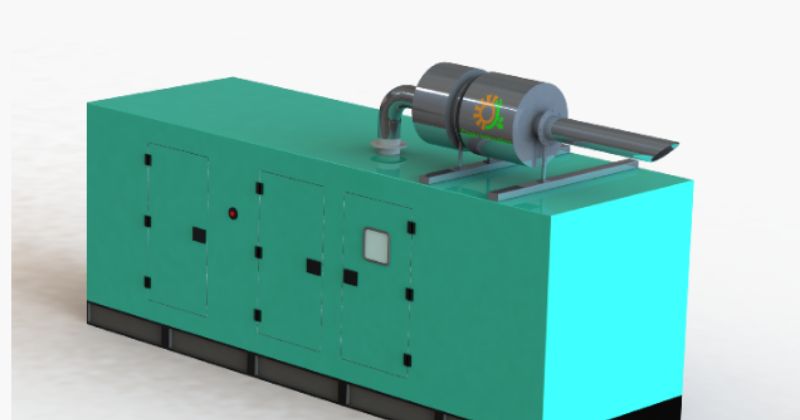
A Retrofit Emission Control Device (RECD) is an add-on device designed to significantly reduce emissions from existing diesel generators. These devices are versatile and can be installed on a wide range of DG sets, providing a cost-effective solution for cleaner operation. The primary goal of an RECD is to minimize the release of harmful pollutants into the atmosphere, thereby reducing the environmental and health impacts of diesel exhaust.
How Do RECDs Work?
RECDs employ various technologies to reduce emissions. Some of the most common technologies include:
1. Electrostatic Precipitation (ESP)
Electrostatic precipitators use electrically charged plates to attract and capture particulate matter from the exhaust stream. As the exhaust gas passes through the ESP, the particulate matter is charged and then collected on plates of opposite charge, effectively removing it from the emissions.
2. Diesel Oxidation Catalyst (DOC)
A Diesel Oxidation Catalyst promotes the oxidation of hydrocarbons and carbon monoxide (CO) into less harmful substances such as water vapor and carbon dioxide (CO2). This process occurs through a catalytic reaction, where the exhaust gas passes over a catalyst material, typically composed of precious metals like platinum or palladium.
3. Diesel Particulate Filter (DPF)
A Diesel Particulate Filter traps particulate matter within its intricate structure. Over time, the collected particulate matter is periodically burned off through a process called regeneration, converting it into less harmful substances. This method is highly effective in reducing PM emissions.
Benefits of Using a RECD for Your DG Set
The implementation of RECDs offers multiple benefits, making them a valuable investment for DG set operators:
Compliance with Regulations
RECDs enable DG set owners to comply with increasingly stringent emission regulations, helping to avoid hefty fines and legal penalties. Regulatory compliance ensures that businesses can operate smoothly without interruption from enforcement actions.
Reduced Environmental Impact
By capturing a significant portion of harmful pollutants, RECDs contribute to cleaner air and a healthier environment. This reduction in emissions helps combat air pollution and its associated adverse effects on human health and ecosystems.
Improved Public Image
Adopting RECDs demonstrates a company’s commitment to environmental responsibility. This can enhance the public image of the business, building trust and loyalty among customers, investors, and the community.
Potential Cost Savings
In some cases, RECDs can lead to fuel efficiency improvements, which can offset the initial investment cost. Enhanced fuel efficiency reduces operational expenses over time, making RECDs a financially sound choice.
Extended DG Set Life
RECDs can help protect your DG set by reducing wear and tear caused by harmful emissions. Cleaner exhaust gases mean less corrosion and damage to the engine components, potentially extending the lifespan of the equipment.
Choosing the Right RECD for Your DG Set
Selecting the appropriate RECD for your DG set involves several considerations:
DG Set Capacity
Ensure that the RECD is compatible with the size and power output of your DG set. Different devices are designed for varying capacities, so it’s crucial to match them appropriately.
RECD Technology
Choose a technology that effectively targets the pollutants you need to reduce the most. For instance, if particulate matter is a primary concern, a DPF might be the best choice.
Maintenance Requirements
Consider the ease and frequency of required maintenance for the RECD. Some technologies, like DPFs, may require periodic regeneration or cleaning, while others might have different maintenance needs.
Cost
RECDs vary in price, so it’s important to compare options and factor in long-term benefits like potential fuel savings and reduced maintenance costs. While the initial investment might be significant, the long-term savings and regulatory compliance can justify the expense.
Installation and Maintenance of RECDs
Installing an RECD is typically a straightforward process, often completed by authorized service providers. Proper installation is crucial to ensure optimal performance and compliance with emission standards. It’s recommended to work with experienced professionals who can assess your specific needs and install the device correctly.
Maintenance requirements for RECDs will vary depending on the chosen technology. Generally, maintenance involves periodic cleaning or regeneration processes to ensure the device continues to operate efficiently. Regular maintenance not only extends the lifespan of the RECD but also ensures consistent emission reduction performance.
The Future of Clean Power Generation
While RECDs represent a significant advancement in reducing emissions from existing DG sets, the future of clean power generation lies in the development and adoption of renewable energy sources and advanced technologies. Innovations in solar power, wind energy, and battery storage are paving the way for a future with reduced reliance on diesel generators.
However, transitioning to renewable energy will take time, and in the interim, RECDs offer a practical and effective solution for mitigating the environmental impact of existing DG sets. By adopting RECDs, businesses and individuals can continue to rely on diesel generators for reliable backup power while contributing to a cleaner and healthier environment.
Additional Considerations
To maximize the benefits of RECDs and ensure compliance with evolving regulations, consider the following:
Consult with a Qualified DG Set Service Provider
Working with experts can help you assess your specific needs and recommend the most suitable RECD for your DG set. They can provide valuable insights into the latest technologies and best practices for installation and maintenance.
Explore Government Incentives
Some governments offer financial assistance or incentives for installing RECDs. These incentives can help offset the initial investment cost and make it more affordable to adopt cleaner technologies.
Stay Informed About Evolving Regulations
Emission regulations are constantly being updated to address the growing concerns of air pollution and environmental protection. Staying informed about these changes ensures that your DG set remains compliant and helps you avoid potential fines and penalties.
Conclusion
The integration of Retrofit Emission Control Devices for DG sets is a critical step towards reducing air pollution and promoting a healthier environment. As regulatory pressures increase and the global community becomes more conscious of environmental impacts, adopting RECDs not only ensures compliance but also demonstrates a commitment to sustainability and public health.
By understanding the various RECD technologies available and their benefits, DG set operators can make informed decisions that align with both regulatory requirements and social responsibilities. The journey towards cleaner air may be challenging, but with the right tools and commitment, we can collectively make a significant impact. Investing in RECDs today paves the way for a cleaner, greener, and more sustainable future.